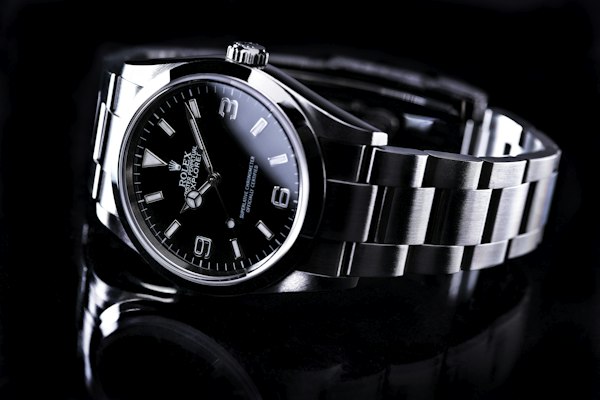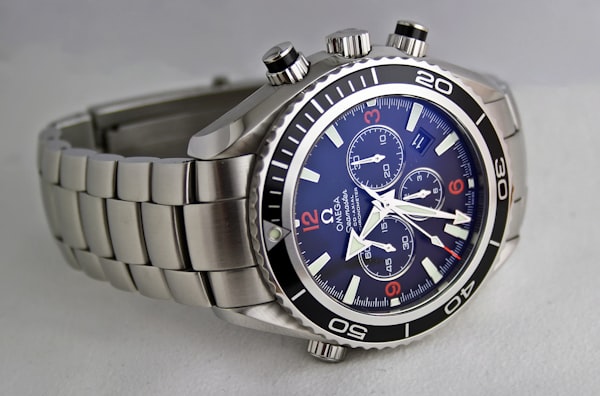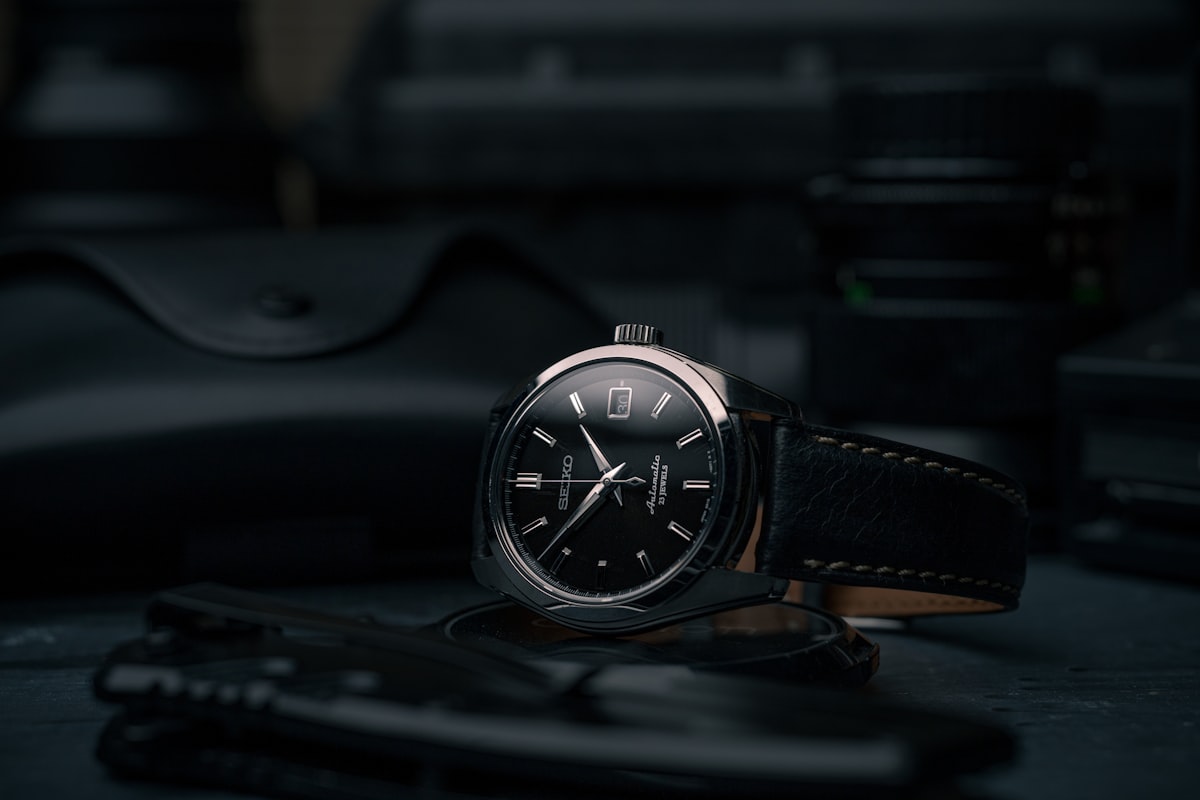
The counterfeit watch industry is estimated to be worth over $1 billion annually. From street corner vendors to sophisticated online sellers, fake luxury watches have become increasingly convincing—and increasingly common. Whether you're considering a pre-owned purchase or want to verify a watch you already own, knowing how to spot a fake is essential.
In this guide, we'll walk you through the key indicators that separate genuine luxury timepieces from counterfeits, using examples from the most commonly faked brands: Rolex, Omega, and Patek Philippe.
⚠️ Important Disclaimer
This guide is for educational purposes. The only way to definitively authenticate a luxury watch is through examination by an authorized dealer or certified watchmaker. When in doubt, always seek professional verification before making a purchase.
The 10-Point Authentication Checklist
1 Weight & Feel
Luxury watches use high-quality materials—904L steel, precious metals, and sapphire crystal—that give them substantial weight. A genuine Rolex Submariner weighs approximately 155 grams. Counterfeits often use cheaper alloys and mineral glass, resulting in a noticeably lighter watch. Pick up the watch and feel its heft. If it feels cheap or flimsy, it probably is.
2 Second Hand Movement
This is often the easiest tell. Genuine luxury mechanical watches have a smooth, sweeping second hand that glides around the dial. Most counterfeits use cheap quartz movements with a ticking second hand that jumps from second to second. Note: Some genuine luxury watches (like certain Longines models) do use quartz movements, so know what you're looking for.
3 Cyclops Lens (Date Magnification)
On genuine Rolex watches, the Cyclops lens magnifies the date by 2.5x, filling most of the window. On fakes, the magnification is often weak (1.5x or less), making the date appear small within the lens. Look straight down at the date—if it doesn't jump out at you, be suspicious.
4 Dial Details
Examine the dial under magnification. On genuine luxury watches, text is perfectly crisp with consistent spacing. Look for:
- Perfectly aligned text and indices
- No spelling errors or font inconsistencies
- Consistent lume application on hands and markers
- Clean, raised logos (not printed flat)
5 Crown & Caseback
The crown (winding mechanism) should operate smoothly with satisfying clicks. On a Rolex, the crown should screw down securely with the fluted edges providing grip. Cheap counterfeits have loose, wobbly crowns. The caseback should be properly finished—Rolex uses solid casebacks, while brands like Omega often have exhibition casebacks showing the movement.
6 Serial & Model Numbers
Genuine luxury watches have deeply engraved serial numbers, not etched or printed. On modern Rolex watches, the serial number appears on the inner bezel at 6 o'clock (older models have it between the lugs). The engraving should be:
- Perfectly spaced and aligned
- Deeply cut, not superficial
- Consistent depth throughout
7 Rehaut Engraving
Modern Rolex watches (2002+) feature "ROLEX ROLEX ROLEX" engraved around the inner bezel ring (rehaut). The serial number also appears at 6 o'clock. This engraving should be perfect—aligned, consistent, and reflecting light uniformly. Many fakes miss this detail entirely or execute it poorly.
8 Bracelet Quality
The bracelet is often where counterfeits cut corners most obviously. Check for:
- Solid end links that fit flush against the case
- Smooth, precise clasp operation
- No rattling or loose links
- Properly finished edges (no sharp or rough spots)
- Correct weight (hollow links are a red flag)
9 Hologram & Documentation
While documentation can be faked, genuine watches come with:
- Matching serial numbers on watch, warranty card, and box
- Proper warranty cards with authorized dealer stamps
- High-quality presentation box
- Instruction manual and hang tags
Note: Rolex discontinued hologram stickers in 2007, so their absence on newer watches is normal.
10 Price Reality Check
If the deal seems too good to be true, it almost certainly is. A "new" Rolex Submariner for $3,000? A Patek Philippe for $5,000? These prices are impossible for genuine watches. Know the approximate retail and secondary market values before shopping, and be immediately suspicious of deep discounts.
"The bitterness of poor quality remains long after the sweetness of low price is forgotten."
Brand-Specific Red Flags
Rolex
- Transparent caseback (Rolex never uses exhibition casebacks on production watches)
- Ticking second hand (all Rolex watches use mechanical movements)
- Misaligned crown logo on dial
- Incorrect font on the bezel (especially on Submariners and GMT-Masters)
Omega
- Poor quality exhibition caseback with generic movement
- Incorrect Omega logo (the Ω should be perfectly formed)
- Missing or incorrect Co-Axial designation on dial
- Bracelet that doesn't match the case finishing
Patek Philippe
- Quartz movement (Patek doesn't make quartz watches)
- Poor quality Geneva stripes on the movement
- Incorrect Calatrava cross logo
- Missing proper hallmarks on precious metal cases
💡 Pro Tip: The Loupe Test
Invest in a 10x jeweler's loupe ($15-30). Under magnification, the quality difference between genuine and fake becomes obvious. Examine the dial printing, bezel markings, and case finishing. Genuine luxury watches show incredible attention to detail; fakes reveal their shortcuts under magnification.
Where to Buy Safely
The safest way to avoid counterfeits is to buy from reputable sources:
- Authorized Dealers — The only guaranteed way to get genuine watches with full warranty
- Brand Boutiques — Official brand stores (Rolex, Omega, etc.)
- Certified Pre-Owned Programs — Rolex CPO, Omega Vintage, etc.
- Reputable Resellers — Established dealers like Hodinkee, Crown & Caliber, WatchBox
- Auction Houses — Christie's, Sotheby's, Phillips (for high-end pieces)
⚠️ High-Risk Sources
Avoid purchasing from: social media marketplace listings, overseas websites with prices too good to be true, unauthorized dealers, and anyone who can't provide proper documentation. The few hundred dollars you might save isn't worth the risk of owning a fake.
When in Doubt, Verify
If you're considering a significant purchase or have concerns about a watch you own, seek professional authentication:
- Authorized Service Centers — Can verify authenticity when servicing
- Independent Watchmakers — Certified professionals can examine movements
- Authentication Services — Companies like Entrupy offer technology-based verification
A proper authentication typically costs $50-150—a small price for peace of mind on a significant investment.
Shop with Confidence
Browse our curated selection from authorized retailers and trusted marketplaces.
View Trusted Retailers →Final Thoughts
The counterfeit watch industry preys on the desire for luxury at discount prices. But the truth is, there are no shortcuts in horology. A genuine luxury watch represents centuries of craftsmanship, innovation, and heritage—things that simply cannot be replicated by counterfeiters, no matter how sophisticated their fakes become.
By educating yourself and buying from reputable sources, you protect not only your investment but also the integrity of the watch industry itself. A genuine luxury timepiece is worth waiting for, worth saving for, and worth the peace of mind that comes with authenticity.